Minestrone Soup
Highlighted under: Cozy Meals
I love making Minestrone Soup on chilly days when I crave something hearty and comforting. This recipe brings together vibrant vegetables, tender pasta, and fragrant herbs that dance together in a rich tomato broth. The blend of flavors makes my kitchen smell incredible, and it warms you from the inside out. Not only is it delicious, but it’s also a great way to use up any leftover vegetables. You can enjoy it as a standalone meal or pair it with crusty bread for a satisfying dinner.
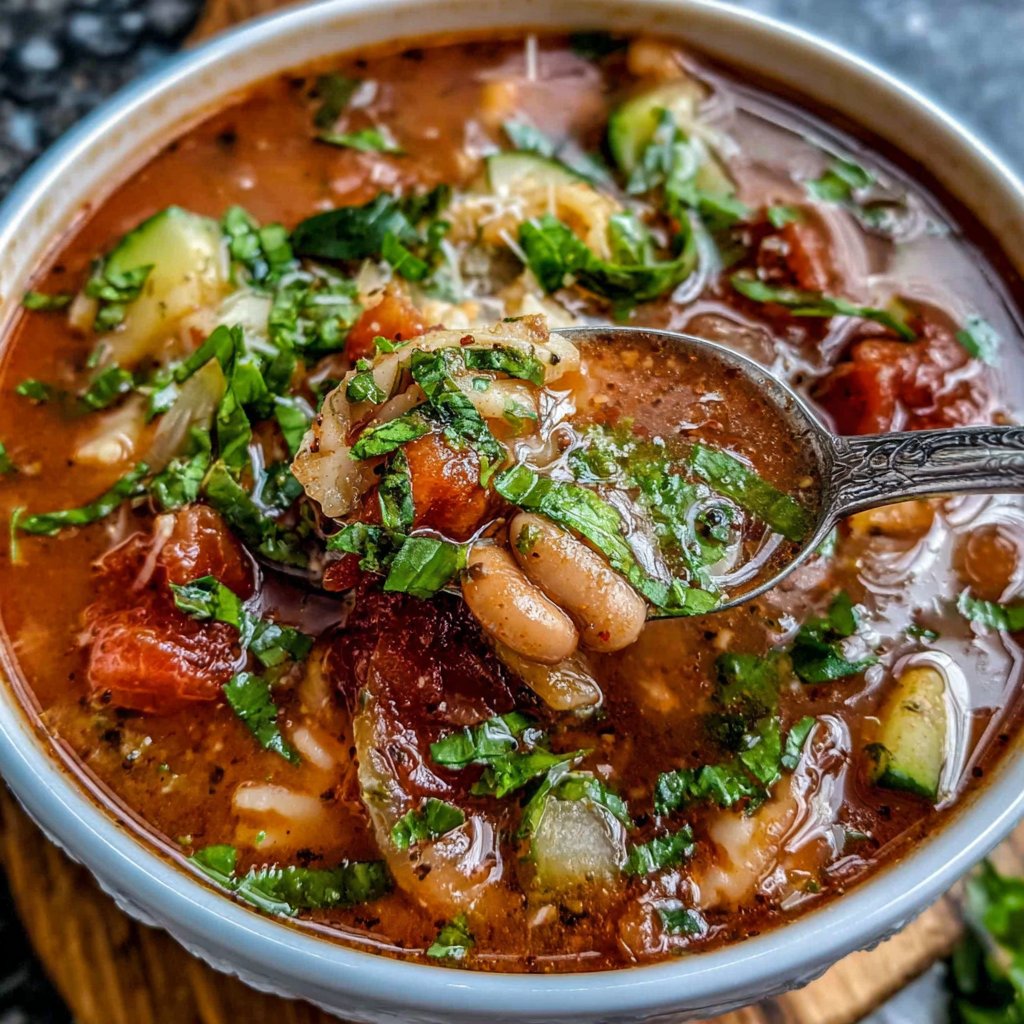
During one particularly cold winter, I decided I needed a bowl of something warm and hearty, and that’s when I rediscovered Minestrone Soup. I carefully selected a mix of seasonal vegetables, such as carrots and zucchini, and added them to a bubbling pot. The array of colors was almost as satisfying as the smell wafting through my kitchen. It’s amazing how just a few ingredients can transform into something so nourishing.
What I find truly exciting about this recipe is its versatility. You can tweak the ingredients based on what you have at hand or what’s in season. The key is to sauté the onions and garlic first to develop the flavor base, and from there, the possibilities are endless! Each time I make it, I add different beans or greens, and it never disappoints!
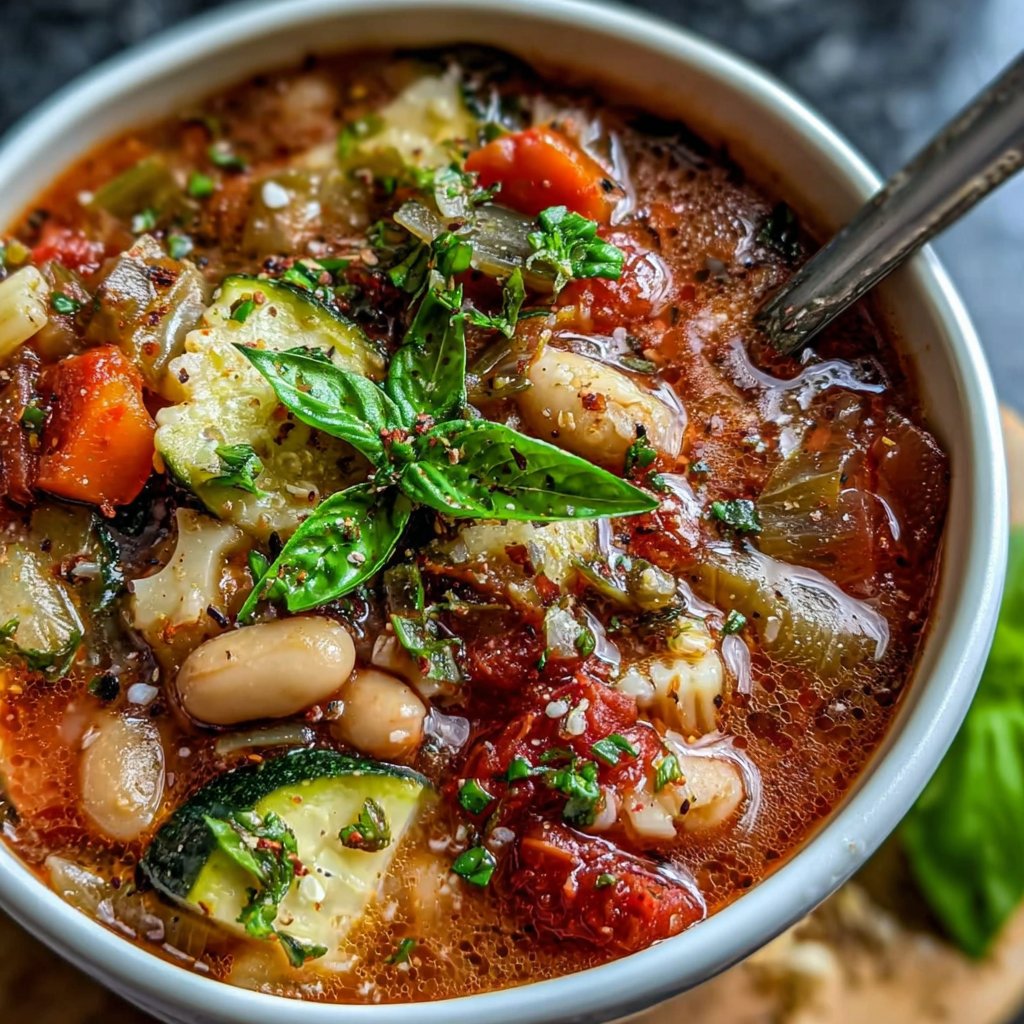
Why You'll Love This Minestrone Soup
- A symphony of vibrant vegetables in every bite
- Comforting and nourishing on a chilly day
- Easily customizable based on your pantry staples
Why the Broth Matters
The broth serves as the foundation of Minestrone Soup, influencing the overall flavor profile. Using a quality vegetable broth enhances the taste, making it rich and robust. You can opt for a low-sodium broth to control salt levels, ensuring you season the soup to your preference later. If you want to elevate the broth further, consider adding a splash of balsamic vinegar or a tablespoon of soy sauce during simmering for an umami boost.
For a deeper flavor, feel free to sauté a handful of fresh herbs such as thyme or parsley in the olive oil at the beginning. This step infuses the oil and enhances the aromatic quality of the soup. Adding these herbs early on allows their flavors to blossom, creating a delightful aroma that fills your kitchen.
Customizing Your Vegetables
Minestrone is renowned for its versatility, allowing you to use whatever vegetables you have on hand. If you're out of zucchini, yellow squash or bell peppers are excellent substitutes. For a heartier version, consider adding potatoes or sweet potatoes, but be sure to cut them small enough to cook through in the same time frame. It’s an excellent way to reduce food waste while giving you more control over the soup's texture and flavor.
For those eager to incorporate seasonal produce, think about adding fresh green beans in the spring or roasted squash in the fall. Each seasonal adjustment can transform your Minestrone with new flavors and textures. Just remember to adjust cooking times slightly if adding denser vegetables, allowing them to soften adequately without overcooking other ingredients.
Storage and Reheating Tips
Minestrone Soup keeps well, making it a fantastic weeknight meal option that allows for easy meal prep. Once cooled, store the soup in an airtight container in the refrigerator for up to five days. When reheating, gently warm it on the stovetop over medium heat, stirring occasionally. If the soup has thickened too much during storage, add a bit of broth or water until it reaches your desired consistency.
If you plan to make a large batch, consider freezing portions for later consumption. To freeze, portion out the soup into freezer-safe containers or resealable bags, leaving space for expansion. Minestrone Soup can last up to three months in the freezer. To reheat, simply thaw overnight in the refrigerator and warm on the stove, adding fresh greens at the end for a vibrant finish.
Ingredients
Gather these ingredients to create a flavorful medley.
Ingredients
- 2 tablespoons olive oil
- 1 onion, diced
- 2 cloves garlic, minced
- 2 carrots, diced
- 2 celery stalks, diced
- 1 zucchini, diced
- 1 can (14 oz) diced tomatoes
- 4 cups vegetable broth
- 1 can (15 oz) cannellini beans, drained and rinsed
- 1 cup small pasta (e.g., ditalini or elbow)
- 1 teaspoon dried oregano
- Salt and pepper to taste
- 1 cup spinach or kale, chopped
- Fresh basil for garnish (optional)
This combination of ingredients will create a delicious and filling soup.
Instructions
Follow these steps to make your Minestrone Soup.
Sauté the Vegetables
In a large pot, heat the olive oil over medium heat. Add the diced onion and garlic, and sauté until softened, about 3-4 minutes. Stir in the carrots and celery, cooking for another 5 minutes until they start to soften.
Add Other Ingredients
Add the diced zucchini, canned tomatoes, vegetable broth, and dried oregano. Bring everything to a boil, then reduce the heat and let it simmer for about 15 minutes.
Incorporate Pasta and Beans
Stir in the cannellini beans and pasta, and continue to simmer until the pasta is al dente, about 8-10 minutes. If using spinach or kale, add it during the last few minutes of cooking.
Season and Serve
Once cooked, season with salt and pepper to taste. Serve hot, garnished with fresh basil if desired.
Your warm and delightful Minestrone Soup is ready to enjoy!
Pro Tips
- For extra flavor, consider adding a splash of balsamic vinegar or a sprinkle of Parmesan cheese just before serving. This adds a delightful tang and richness to the soup.
Serving Suggestions
Pairing Minestrone with crusty bread enhances the meal with additional texture and flavor. A slice of warm, garlic bread or a fresh baguette is perfect for dipping into the rich broth. You can also serve it alongside a simple mixed salad drizzled with lemon vinaigrette to complement the soup's hearty elements.
For an extra garnish, top each bowl with freshly grated Parmesan cheese or a dollop of pesto. Both additions elevate the dish and provide a burst of flavor. A light drizzle of olive oil before serving can also enhance the overall presentation and taste.
Variations for Dietary Needs
If you or your guests are following a gluten-free diet, simply swap the small pasta for gluten-free varieties like quinoa or gluten-free elbow pasta, which will maintain the heartiness of the soup. Just be cautious of cooking times, as gluten-free pasta tends to cook faster, so add it last to avoid overcooking.
For a vegan option, ensure that all ingredients, especially the broth, are plant-based. You can also enrich the soup with nutritional yeast to mimic a cheesy flavor, which adds depth without dairy. This is not only a great cheese substitute but also enhances the nutritional profile with vitamins and minerals.
Questions About Recipes
→ Can I freeze Minestrone Soup?
Yes, you can freeze Minestrone Soup! Just let it cool completely, then transfer it to an airtight container. It will last about 3 months in the freezer.
→ What can I substitute for pasta?
If you want a gluten-free option, you can use rice or quinoa instead of pasta. Cook them separately and add them to the soup before serving.
→ Is Minestrone Soup vegetarian?
Absolutely! Using vegetable broth and skipping the meat makes it a perfect vegetarian and even vegan dish.
→ How can I make it spicier?
You can add a pinch of red pepper flakes or diced jalapeños to the pot when sautéing the vegetables for an extra kick.
Minestrone Soup
Created by: The Chefhenryskitchen Team
Recipe Type: Cozy Meals
Skill Level: Beginner
Final Quantity: 4 servings
What You'll Need
Ingredients
- 2 tablespoons olive oil
- 1 onion, diced
- 2 cloves garlic, minced
- 2 carrots, diced
- 2 celery stalks, diced
- 1 zucchini, diced
- 1 can (14 oz) diced tomatoes
- 4 cups vegetable broth
- 1 can (15 oz) cannellini beans, drained and rinsed
- 1 cup small pasta (e.g., ditalini or elbow)
- 1 teaspoon dried oregano
- Salt and pepper to taste
- 1 cup spinach or kale, chopped
- Fresh basil for garnish (optional)
How-To Steps
In a large pot, heat the olive oil over medium heat. Add the diced onion and garlic, and sauté until softened, about 3-4 minutes. Stir in the carrots and celery, cooking for another 5 minutes until they start to soften.
Add the diced zucchini, canned tomatoes, vegetable broth, and dried oregano. Bring everything to a boil, then reduce the heat and let it simmer for about 15 minutes.
Stir in the cannellini beans and pasta, and continue to simmer until the pasta is al dente, about 8-10 minutes. If using spinach or kale, add it during the last few minutes of cooking.
Once cooked, season with salt and pepper to taste. Serve hot, garnished with fresh basil if desired.
Extra Tips
- For extra flavor, consider adding a splash of balsamic vinegar or a sprinkle of Parmesan cheese just before serving. This adds a delightful tang and richness to the soup.
Nutritional Breakdown (Per Serving)
- Calories: 250 kcal
- Total Fat: 7g
- Saturated Fat: 1g
- Cholesterol: 0mg
- Sodium: 450mg
- Total Carbohydrates: 40g
- Dietary Fiber: 10g
- Sugars: 5g
- Protein: 10g